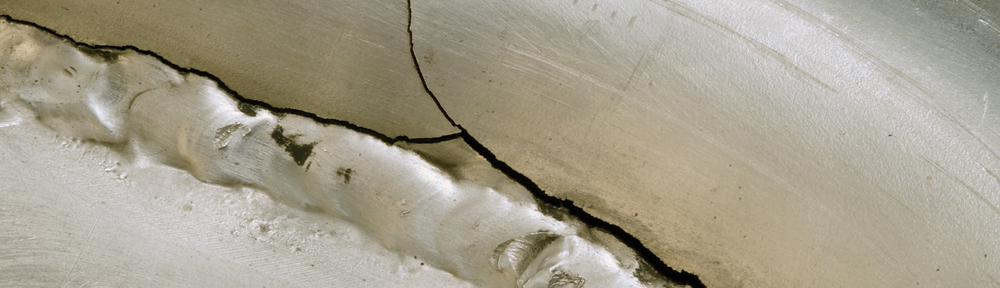
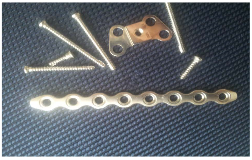
 Un article paru en septembre 2015 dans la revue « Trauma Cases and Reviews » :
« A reconstructive orthopedic bone plate was submitted for analysis. Traditional failure analysis methods were used to assess the mode of the plate failure. Metallographic investigation of the plate was carried out in this report. Since limited data was available in the literature and clinical data related to subject demography, date of removal as well as reasons for removal unknown, in depth analysis was not possible. However, the plate was received in in-tact condition with minor biological deposits and scratches, it is speculated that the failure of the plate may have been due to biological/clinical reasons, likely infection, rejecting the device due to lack of union at the fracture site. » Lire l’article dans son intégralité …

 Que vous soyez au stade R&D (développement matériaux ou applicatif matériaux) ou au stade de production (contrôle qualité d’un composant mécanique, contrôle en cours de fabrication), vous souhaitez connaître ou vérifier les caractéristiques en fatigue et en rupture d’un matériau.
 En optant pour le contrôle multiélément de ses dentures de couronnes,
 A la suite de la défaillance d’un assemblage
 En confiant votre expertise au
